
Methodology Protocol 03

How One Dialogue Change Affects a Scene

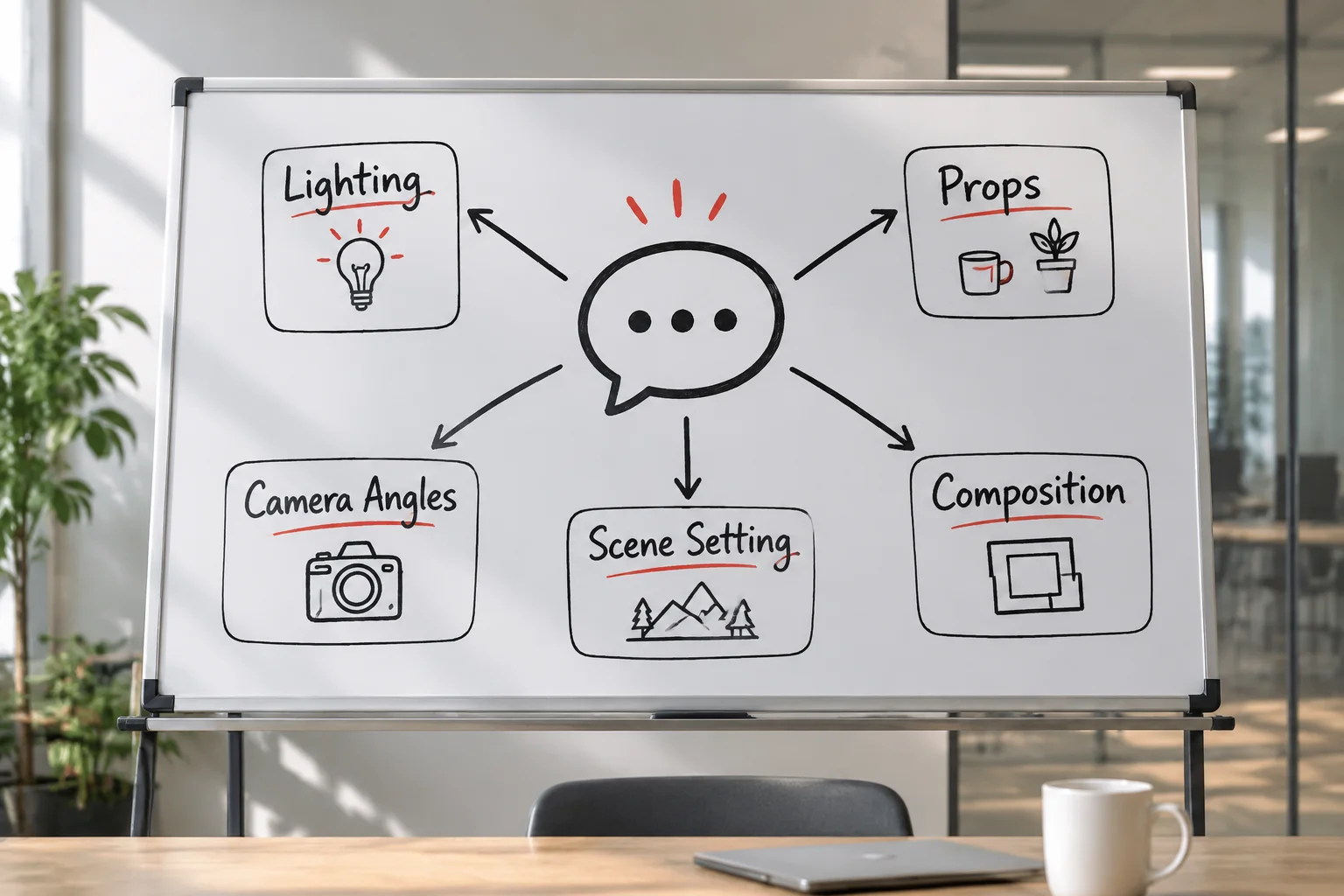
Tracing the systemic ripple effect of altered spoken lines across production timing, camera coverage, prop allocations, and department breakdowns.

Date: 2026-10-29
Author: Michael Vance
Read: 7 min read
Track: Revision Tracking
How One Dialogue Change Affects a Scene

The Illusion of the "Minor" Line Tweak

In screenwriting and pre-production workflows, altering three words in a dialogue block often gets dismissed as a trivial cosmetic edit. When a protagonist says "Hand me the wrench" instead of "Give me the keys," the dramatic weight may appear virtually indistinguishable. However, in physical production and script breakdown ledgers, that singular line swap immediately shifts props, alters mechanical actions, and invalidates previously timed master setups. A single dialogue revision rarely exists in a creative vacuum; it functions as an operational trigger across shooting schedules and department logs.

Dialogue dictates physical rhythm, eye lines, camera panning, and actor blocking. An actor turning their head to deliver an amended retort forces the camera operator to adjust focal length or whip pan to accommodate the revised pacing. If the spoken sentence runs two seconds longer than the previous version, the aggregate scene time expands, potentially pushing an exterior golden-hour setup into unshootable twilight. Treating line updates as isolated occurrences without issuing tracked revision marks introduces silent disconnects between the script supervisor's log and what the sound and lighting departments prepare.

Production Impact Assessment

Even when an altered line does not introduce new physical props or action elements, it alters speech cadences, pacing metrics, and room tone balance. Sound recordists and script supervisors must receive timely colored change pages to ensure their coverage sheets match the locked master take.

When a dialogue tweak crosses into production without an explicit revision star and logged change sheet, department heads operate on divergent assumptions. Wardrobe might overlook that an amended conversational pause allows a jacket removal; the boom operator might misjudge vocal projection and dip a microphone into the top edge of frame; continuity notes become scrambled across different unit shoots. Systemic version control prevents these cascading inefficiencies before cameras roll.

Production Query Desk

Facing Unintended Ripple Effects in Your Draft?

Connect with our editorial desk for structured breakdown protocols, line-change documentation templates, and revision tracking systems.

Departmental Ripple Metrics

Quantitative analysis from scripted television and feature shoots demonstrates the tangible operational impact that a single revised line has on distinct production units.

Department Footprint
4 Units Sound, Props, Camera, and Continuity directly reassess setups.
Timing Variance
±2.4 sec Average pacing shift per revised spoken sentence in coverage.
Breakdown Cycles
99% Script supervisors re-index character action cues and page counts.
Revision Color Integrity
Locked Requires immediate colored page distribution and margin stars.

Step-by-Step Anatomy of a Dialogue Revision

Managing dialogue updates effectively requires treating spoken text as production data rather than static literary phrasing. When an author or showrunner modifies dialogue in an already locked shooting script, the change must travel through a disciplined sequence of operational checks:

  • Evaluate physical causality: verify whether the revised wording implies new props, hand gestures, emotional shifts, or blocking reconfigurations that affect background action.
  • Recalculate scene timing and page eighths: calculate whether expanded or truncated text creates unwanted page spillover onto subsequent locked pages.
  • Apply standard asterisks and revision markers: insert margin stars strictly adjacent to altered spoken lines rather than marking the entire scene heading or character cue.
  • Distribute designated colored replacement pages: release updated sheets under the active revision color cycle accompanied by clear change notes for crew members.

Following this four-step sequence eliminates ambiguity on set. Actors rehearse from current sides, sound mixers balance levels according to exact verbal cadences, and the editorial department can seamlessly reconcile daily call sheets with the script supervisor's lined script.

Core Methodology Insights

Essential Rules for Dialogue Revisions

Spoken words dictate action pacing; altering syllables frequently changes cutting points and camera movement timing.

Even subtle verbal modifications can introduce implicit prop requirements or reveal continuity conflicts with adjacent scenes.

Asterisk stars must precisely denote the exact altered dialogue line, preserving visual clarity on white and colored replacement pages.

Department notifications must accompany dialogue releases to avert wasted setup time and sound re-recordings.

Reference Citation Methodology Standard: RP-MET-03 (Dialogue Impact Tracking)
Document Topics & Standards
Dialogue Tracking Production Timing Script Supervisor Logs Revision Asterisks
Michael Vance Script Supervisor & Editorial Workflow Lead

Michael Vance is an experienced script supervisor and editorial coordinator who has managed production revisions across dozens of feature films and episodic television dramas.

Supplementary Reading

Related Tracking Methodologies