
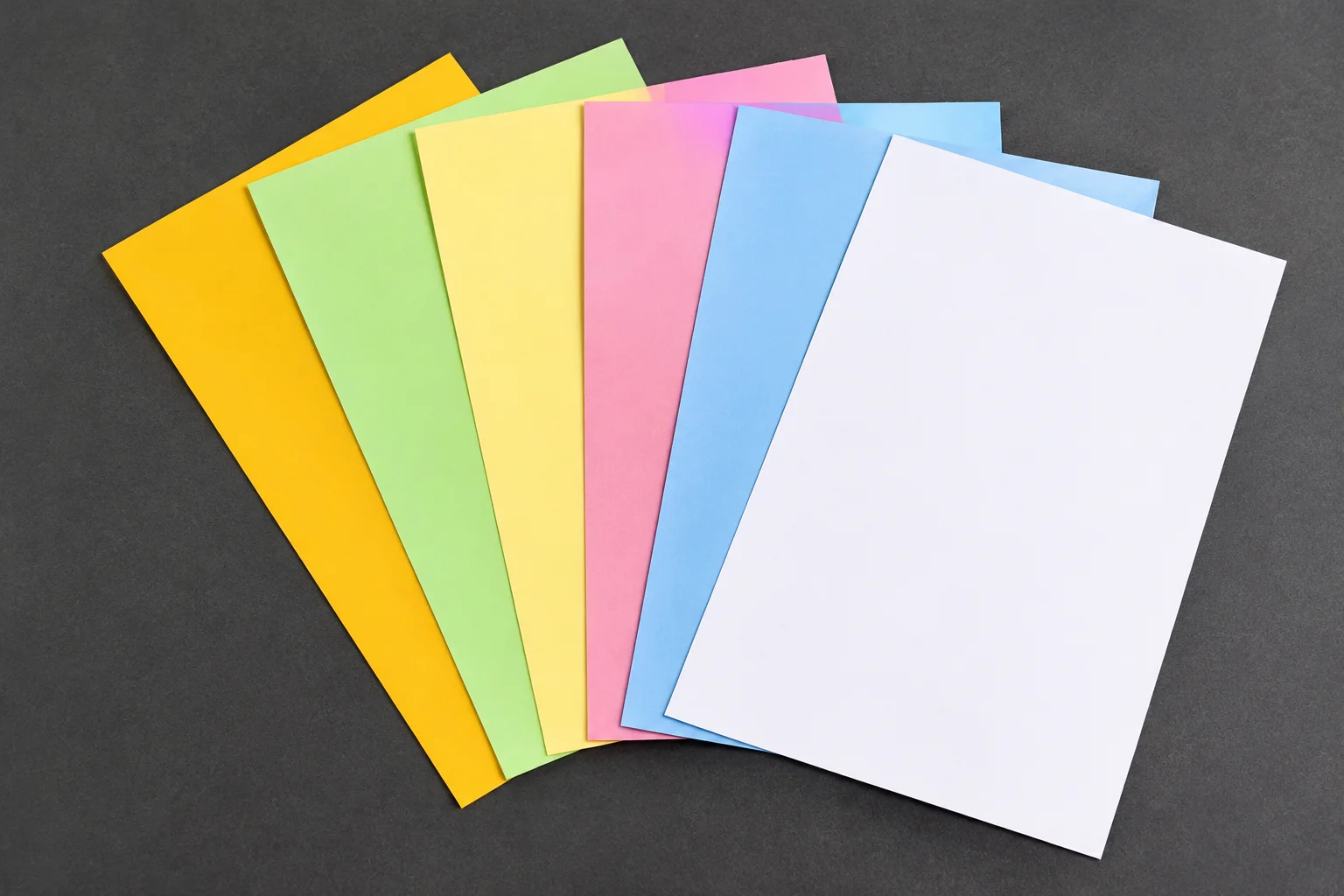
Why Script Revisions Rely on Physical and Digital Color Cycling
Standardized color sequences establish immediate visual identification for every altered page in a working production script. When a shooting script enters production, reprinting the entire screenplay for single dialogue adjustments wastes immense resources and risks severe continuity breakdowns on set. Instead, editorial teams issue collated revision sets on colored paper stocks, ensuring every crew department instantly recognizes newly updated scenes while retaining previous staging notes on unaffected white or earlier colored pages.
The universally recognized Hollywood rotation begins with White for the initial production draft, followed by Blue, Pink, Yellow, Green, Goldenrod, Buff, Salmon, and Cherry. If a shoot surpasses nine revision passes, the sequence recycles by prefixing passes with Second Edition Blue or Double Blue. Modern screenwriting software synchronizes digital PDF color overlays directly with physical stock specifications, preserving precise page counts and preventing line-drift from throwing off the 1/8th-page scheduling breakdown.
Replacement pages must retain exact header notation (e.g., Rev. 11/05/2026) and preserve asterisks in the right margin marking edited lines. A blue page inserted into a white draft signals that only the flagged lines differ from the baseline draft.
Maintaining this disciplined sequence prevents devastating set delays where actors, sound technicians, and lighting crews work from misaligned dialogue cues. When department heads open their binders, a single glance across the edge of the script reveals which scenes underwent recent revisions, enabling immediate verification before roll-call.